
Disclosure: As an Amazon Associate I earn from qualifying purchases. How this site works
Choosing the Best Small Trash Can for a Bathroom
A bathroom bin should be small enough to fit beside the toilet or vanity, closed to hide waste, and easy to clean. Here is how to compare them.
Quick answer
The best bathroom bin for most homes is a covered step-pedal trash can with a removable inner bucket, sized about 1.5–2.5 gallons (6–10 L). Choose a slim 1–1.5 gallon (4–6 L) can for tight spaces, or about 2.5 gallons (10 L) for shared bathrooms. Measure the footprint, pedal space, and lid clearance before buying.
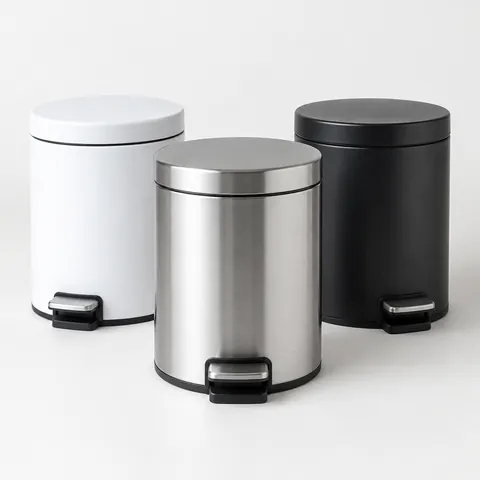 Small step trash cans
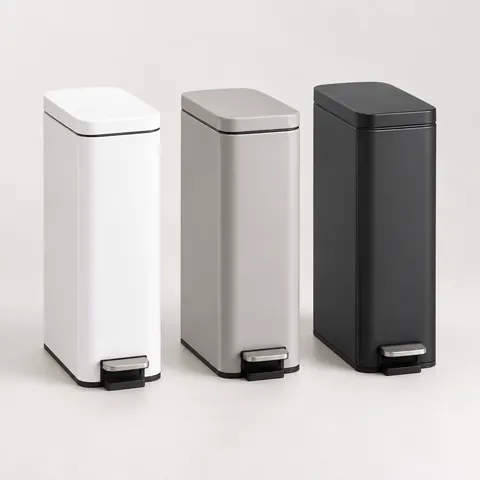 Slim bathroom bins
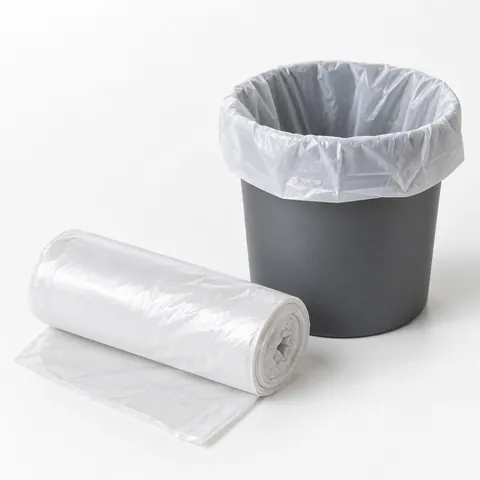 Small bin liners
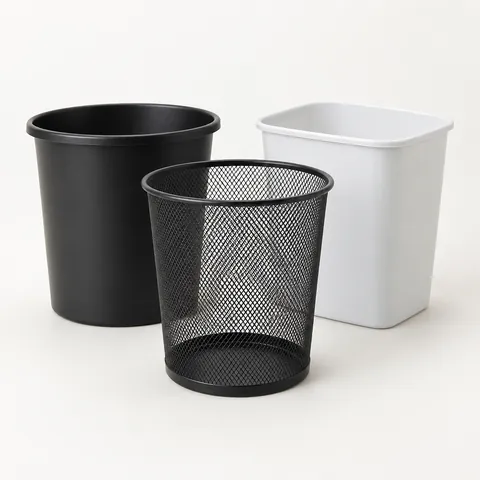 Small office wastebaskets
Best bathroom bin by space and use
Match the bin style to the bathroom layout, waste type, and how often it will be emptied.
| Need | Best choice | Typical size | Check first |
|---|---|---|---|
| Tiny bathroom | Slim rectangular bin | 1–1.5 gal / 4–6 L | Width and depth |
| Most bathrooms | Covered step bin | 1.5–2.5 gal / 6–10 L | Pedal toe room |
| Shared bath | Larger covered bin | About 2.5 gal / 10 L | Daily overflow |
| Guest bath | Quiet covered bin | 1.5–2 gal / 6–8 L | Soft-close lid |
| Sanitary waste | Step bin with bucket | 1.5–2.5 gal / 6–10 L | Hidden liner |
| Low-odor dry waste | Open wastebasket | 1–2 gal / 4–8 L | Visible contents |
Best picks by need
| If you want… | Look for |
|---|---|
| Hygiene and hidden waste | Step pedal with lid and removable inner bucket |
| A tiny bathroom | Slim, rectangular or wall-hugging 1–1.5 gallon bin |
| Quiet use at night | Soft-close lid |
| A modern look | Brushed stainless with fingerprint-resistant finish |
| A budget option | Plastic step or swing-lid bin with removable liner |
| Shared or family bathrooms | About 2.5 gallons so it does not overflow daily |
Compare bathroom step bins and slim bathroom bins and check dimensions against the space beside your toilet or vanity.
Why a lid matters in bathrooms
A lid hides tissues, cotton pads and sanitary products, contains odours and keeps pets and toddlers out. Pedal bins keep hands off the lid, which is more hygienic than lifting a lid by hand.
Size and placement
Measure the gap between toilet and wall or vanity, and check that the lid can open fully under a counter or towel rail. Most bathroom bins are 1.5–2.5 gallons (6–10 litres). A bin that is too big is emptied less often and can smell.
Cleaning routine
Empty two or three times a week, wipe the pedal and lid with a disinfecting cleaner, and wash the inner bucket regularly. Choose a bin whose bucket lifts out — cleaning a fixed bucket is awkward.
How do I measure before buying a bathroom trash can?
Measure the usable space, not just the empty-looking gap. Bathroom fixtures often create pinch points: a toilet tank overhang, a vanity toe kick, a toilet paper holder, a baseboard, or a cabinet door that swings into the same area.
- Measure the floor footprint: width from side to side and depth from front to back where the can will sit.
- Check the widest part of the can. Some bins taper, but others have a rim, hinge, handle, or pedal that sticks out beyond the base.
- Allow toe room for a step pedal. If the can sits tight against a vanity or toilet, make sure your foot can reach the pedal without twisting the bin.
- Check lid clearance with the can in its real spot. A hinged lid may hit a towel bar, counter lip, toilet paper holder, or wall.
- Open nearby drawers and doors. A can that fits when everything is closed may block a vanity drawer or linen cabinet.
- If you use a bath mat, measure with the mat in place. Thick mats can make a light bin wobble or keep the pedal from sitting flat.
For very tight layouts, a rectangular or oval can usually uses space better than a round one. Round cans are easy to wipe around, but they often waste corner space.
Step lid, swing lid, touch lid, or open top?
The lid style changes how clean, quiet, and convenient the bin feels in daily use. The best choice depends on what you throw away most often and who uses the bathroom.
| Lid style | Best for | Trade-off to check |
|---|---|---|
| Step pedal | Hands-free disposal, guest baths, sanitary waste | Pedal needs floor space and should feel stable when pressed |
| Soft-close step lid | Night use and shared bathrooms | Usually has more parts, so check that the hinge is easy to wipe |
| Swing lid | Simple daily use with tissues and cotton rounds | Can show waste if the lid rests partly open or gets stuck |
| Touch-top lid | A clean, flush look in a powder room | You must touch the lid, and the latch should not be hard to clean |
| Open top | Only for dry, low-odor waste in a private bathroom | Does not hide contents or block pets |
If you regularly toss dental floss, cotton swabs, makeup wipes, or sanitary products, choose a covered can. If children use the bathroom, avoid lids that are easy to remove unless you want fast access for emptying.
Plastic vs. stainless steel bathroom trash cans
Bathrooms are humid, so the material matters. Plastic is light, inexpensive, and will not rust. It is also less likely to dent if it gets bumped by a vacuum or kicked by accident. Look for smooth plastic with rounded inside corners, because textured surfaces and sharp interior seams hold grime.
Stainless steel looks more finished and adds weight, which can help a narrow can stay put. In a bathroom, check the underside, hinge area, and pedal hardware. If those parts are not protected from moisture, they may discolor before the body does. A removable plastic inner bucket inside a metal shell is often easier to live with than bare metal inside.
- Choose plastic if you want the lightest can, easy rinsing, and a lower-maintenance finish.
- Choose stainless steel if the can will be visible and you want a heavier, more furniture-like look.
- Look for a non-skid base or rubber feet if the can will sit on tile.
- Avoid deep decorative grooves in bathrooms, because dust and hairs collect there.
- For a white or light-colored bathroom, remember that dark interiors can make liner edges and dust less noticeable.
If you are comparing styles, small bathroom step trash cans are usually the easiest to use hands-free, while slim bathroom bins make sense when the only available spot is beside the toilet or vanity.
How to keep the liner from slipping or showing
A small bathroom can looks better and stays cleaner when the bag fits closely. A liner that is too small slips inside the bucket. A liner that is too large bunches under the lid and can keep the lid from closing all the way.
- For a rectangular can, choose a liner wide enough to wrap around the rim without stretching at the corners.
- For height, the liner should reach the bottom and still leave enough extra to fold over the rim or tuck into a retaining ring.
- If the can has an inner bucket, check whether the liner can fold over the bucket rim and then be hidden by the outer shell.
- Use thinner liners for tissues and cotton waste, but choose stronger liners if the bathroom trash often includes wet wipes, product packaging, or disposable razors.
- If bags slide down, tie a small knot in one corner, use the can’s bag holder if it has one, or size down only if the liner still reaches the bottom.
Clear liners are less visible in many bathrooms, while white liners can look tidier in white bins. Scented liners can be too strong in a small room, so unscented small bin liners are usually the safer default.
Frequently asked questions
What is the best bathroom bin for a small bathroom?
A slim rectangular or oval covered bin is usually best because it fits beside a toilet or vanity better than a round can. For very tight bathrooms, look around 1–1.5 gallons (4–6 L).
Is a small pedal bin good for a bathroom?
Yes. A small pedal bin is a good bathroom choice because it opens hands-free, hides waste, and helps keep pets or children out better than an open top.
What size liner fits a small bathroom trash can?
Use the liner size recommended for the can if available. Otherwise, choose one that reaches the bottom and folds over the rim without stretching or bunching under the lid.
Are motion sensor trash cans worth it in a bathroom?
They can be convenient, but they are not always the best choice for a small bathroom. A sensor lid needs battery space, enough clearance to open, and a spot where it will not trigger every time someone walks by. For most small bathrooms, a simple step pedal is easier to maintain.
How do I stop a small bathroom trash can from tipping over?
Choose a can with a wider base, rubber feet, or a heavier body. Place it on flat tile or flooring instead of half on a bath mat. If pets or kids bump it often, a rectangular can against a wall is usually more stable than a tall narrow round one.
Can I use grocery bags as liners in a bathroom trash can?
You can if they fit securely and do not have holes, but many grocery bags are too shallow for narrow bathroom cans. Handles may also bunch up under the lid. Purpose-sized liners usually look neater and are less likely to slip.
Should a bathroom trash can have an inner bucket?
An inner bucket is worth it if you use liners, want to hide the bag edge, or need to rinse the inside. It also makes emptying easier because you can lift the bucket out instead of carrying the whole can. The trade-off is that it slightly reduces usable capacity.
Disclosure: As an Amazon Associate I earn from qualifying purchases. This site may earn a commission when you buy through its links, at no extra cost to you. Product details come from public manufacturer information; always check the merchant page for current specifications and prices. We have not hands-on tested the products described here.