
Disclosure: As an Amazon Associate I earn from qualifying purchases. How this site works
Where to Buy a Small Trash Can
Each category below links to current listings on Amazon (opens in a new tab). Use this checklist to compare small trash cans before you buy.
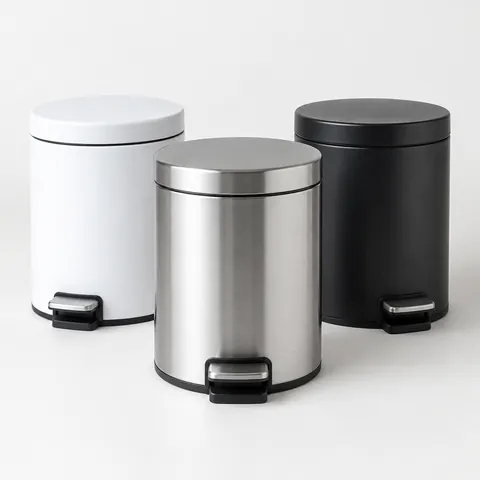 Small step trash cans
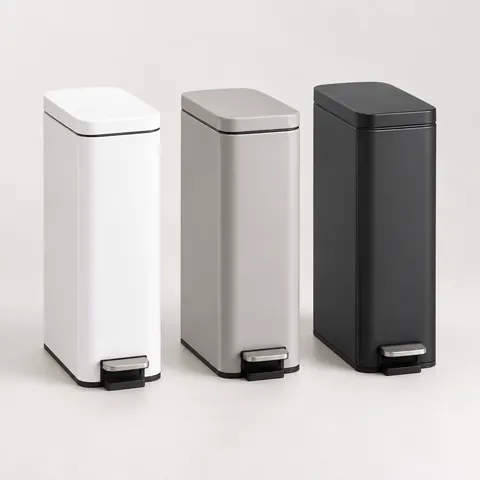 Slim bathroom bins
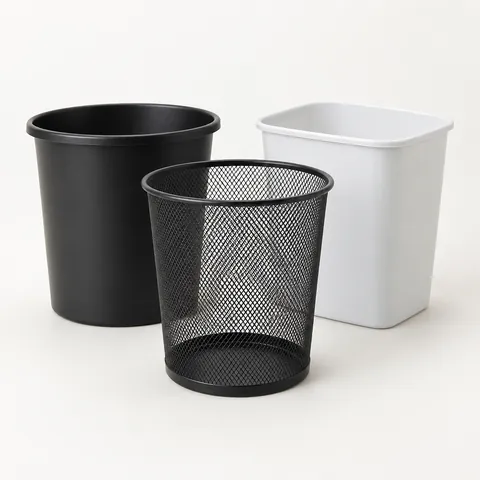 Small office wastebaskets
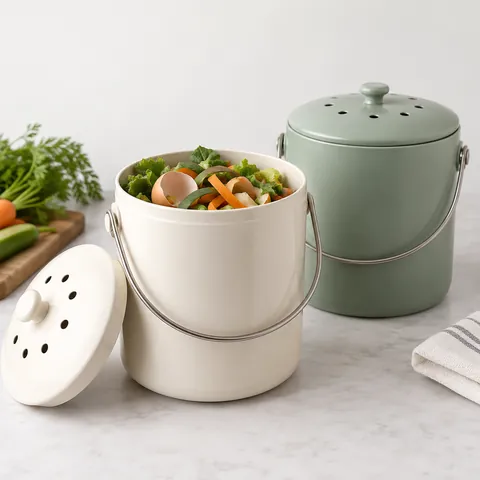 Countertop compost bins
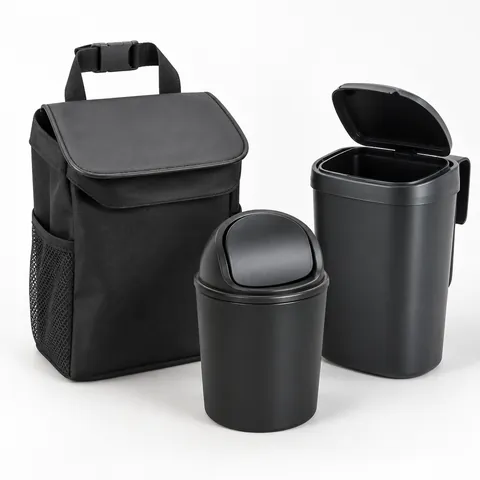 Car trash cans
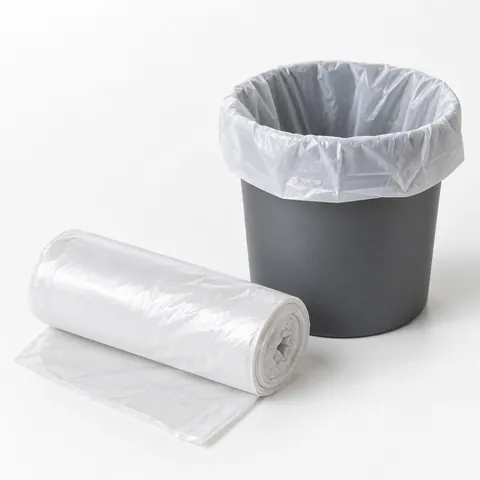 Small bin liners
Before you buy
- Measure the space where the bin will go.
- Check capacity and outside dimensions.
- Choose the lid type.
- Check for a removable inner bucket.
- Note which liner size fits.
Categories referenced on this site
- Small step trash cans
- Slim bathroom bins
- Small office wastebaskets
- Countertop compost bins
- Car trash cans
- Small bin liners
Buying in store
Home stores let you try the pedal and lid action and see the finish in person. Take the measurements of your space.
Where is the best place to buy a small trash can online?
Buying online is easiest when you already know the footprint, capacity, and lid style you want. Search results can look similar, so filter by room and shape first: bathroom, office, countertop, under-sink, or car. Then compare the outside dimensions, not just the gallon size, because two cans with the same capacity can have very different footprints.
- Use online marketplaces when you want the widest mix of sizes, colors, lid types, and liner options in one place.
- Use a home improvement or housewares retailer when you want clearer specifications and easier returns for damaged or poorly fitting items.
- Use office supply stores for open-top wastebaskets that fit under desks or beside printers.
- Use kitchen and storage retailers when you need a nicer finish, a tight lid, or a removable inner bucket.
- Use auto accessory retailers for hanging, weighted, or leak-resistant car bins.
Read the product page for the exact outside width, depth, and height. If the listing gives only capacity, keep looking or check the manufacturer’s site. For a tight space, allow extra room for a pedal, a swinging lid, or a removable bucket to lift out. If the can will sit against a wall, check whether the lid needs clearance behind it.
For common household searches, start with a focused category instead of a broad search. For example, compare small step trash cans if you want hands-free use in a bathroom, or browse slim bathroom bins if floor space is the main constraint.
What size small trash can should I buy for each room?
A small trash can should be large enough that you are not emptying it constantly, but not so large that trash sits too long. The right size depends on the waste type, how many people use the room, and whether the trash is dry, wet, or likely to smell.
| Location | Common use | Useful buying guidance |
|---|---|---|
| Bathroom | Tissues, floss, cotton pads, packaging | Choose a compact can with a lid if guests use the bathroom or if pets can reach the trash. |
| Home office | Paper, wrappers, mail, labels | An open wastebasket is simple and easy to empty if most waste is dry. |
| Bedroom | Tissues, tags, small packaging | A quiet lid or open-top design is usually more important than capacity. |
| Kitchen counter | Coffee grounds, fruit peels, food scraps | Pick a container that is easy to rinse and has a lid that closes securely. |
| Car | Receipts, snack wrappers, tissues | Look for a stable base, hanging strap, or leak-resistant lining so it does not tip during driving. |
| Laundry or craft area | Lint, dryer sheets, thread, labels | A narrow open bin works well if the contents are dry and lightweight. |
If you are between two sizes, choose based on trash type. Dry paper waste can sit longer, so a slightly larger office bin is fine. Bathroom trash and food scraps should be emptied more often, so a smaller can with a lid may be cleaner and easier to manage. For a shared bathroom or busy powder room, prioritize easy bag changes and wipe-clean surfaces over the smallest possible footprint.
How do I compare lid styles before I buy?
The lid style affects daily use more than the finish or color. A lid that looks neat but is annoying to open will be left open or avoided. Think about whether your hands will be clean, whether pets or children can access the can, and how often the can will be emptied.
- Open-top: Best for dry waste in offices, bedrooms, and craft rooms. It is simple, quiet, and has no moving parts, but it does not hide trash or contain odors.
- Step lid: Good for bathrooms and kitchens because you can open it hands-free. Check that the pedal is not too far forward for the space where the can will sit.
- Swing lid: Convenient for quick disposal, but it can need extra vertical space and may get messy if overfilled.
- Press or push lid: Keeps trash covered, but the touch point needs regular cleaning.
- Lift-off lid: Simple and compact, but less convenient if you throw things away often.
- Soft-close lid: Quieter than a basic step lid and useful in bedrooms or shared bathrooms, but it has more hardware to check.
For households with pets, a heavier can, a tighter lid, or a can stored inside a cabinet may matter more than the exact capacity. For children’s rooms, avoid a lid that pinches or a can that tips easily. For rental homes and dorms, a light plastic bin may be easier to move, while a metal can may look better in a visible bathroom.
How can I avoid liner, odor, and cleaning problems?
The best time to think about liners is before the can arrives. A liner that is too small will slide down; one that is too large will bunch around the rim. If the can has an inner bucket, check whether the liner wraps around that bucket or around the outer can. Some compact cans work best with small trash bags, while others fit reused grocery-style bags.
- Measure the inside height of the bin or inner bucket.
- Measure the rim width and depth, or the diameter for a round can.
- Choose a liner that reaches the bottom and folds over the rim without heavy stretching.
- For wet trash, use a liner with enough thickness for the contents and avoid overfilling.
- Keep a few spare liners in the bottom of dry-waste cans only if they will not get wet or dirty.
For odor control, match the can to the waste. Food scraps need a lid, frequent emptying, and a surface that can be rinsed. Bathroom waste is usually manageable with a lidded can and regular bag changes. Paper-only office bins usually do not need scented liners or a tight lid.
Cleaning is easier when the can has rounded inside corners, a removable bucket, or a smooth plastic interior. Textured finishes can hide fingerprints but may be harder to wipe clean. If the can will hold damp items, avoid designs with seams or decorative grooves inside the bucket. When you need replacement bags, compare small bin liners by dimensions rather than by the word “small” alone.
What should I check when buying a small trash can in a store?
In-store shopping is useful when the can will sit in a visible spot or when the lid mechanism matters. Bring your space measurements and, if possible, a note about the maximum height with the lid open. Do not judge the can only by the display tag; measure the base if the fit is tight.
- Press the pedal several times and make sure the lid opens fully without wobbling.
- Lift the can by its handle or rim to see whether it feels sturdy when empty.
- Remove and replace the inner bucket to check whether it catches on the lid or rim.
- Look inside for sharp edges, deep seams, or corners that would trap residue.
- Check the bottom for a non-slip base if it will sit on tile, wood, or a car floor.
- Compare the displayed color under normal light if the finish needs to match a bathroom or kitchen.
If the store allows returns, keep the packaging until you have tried the can in its actual spot. A can that looks compact on a shelf may block a cabinet door, hit a toilet base, or interfere with a desk chair once you bring it home.
Frequently asked questions
Is it better to buy a small trash can online or in store?
Buy online if you need a specific size, shape, or lid style and can verify the dimensions. Buy in store if you want to test the pedal, see the finish, or compare several cans side by side. For tight spaces, either option works as long as you measure first.
What is the best small trash can for a bathroom?
For most bathrooms, a compact can with a lid is the safest choice because it hides waste and helps keep pets out. A step lid is convenient when your hands are wet or full. Choose a wipe-clean material and make sure the can fits beside the toilet, vanity, or shower without blocking movement.
Do small trash cans need special bags?
Some do, but many small cans work with standard small liners or reused shopping bags. The key is matching the liner to the bin’s height and rim size, not just the listed capacity. If the can has an inner bucket, measure that bucket rather than the outer shell.
What material is best for a small trash can?
Plastic is light, usually easy to rinse, and practical for bathrooms, cars, and under-sink use. Metal often looks better in visible spaces and may feel sturdier, but it can show dents, fingerprints, or water spots depending on the finish. For damp or messy trash, prioritize an easy-clean interior over appearance.
How do I know if a small trash can will fit under a sink or desk?
Measure the available width, depth, and height, then leave clearance for the lid, pedal, plumbing, chair movement, or cabinet hinges. Check the can’s outside dimensions, including any rim, handle, or pedal that sticks out. If the lid opens upward, measure the height with the lid fully open.
Disclosure: As an Amazon Associate I earn from qualifying purchases. This site may earn a commission when you buy through its links, at no extra cost to you. Product details come from public manufacturer information; always check the merchant page for current specifications and prices. We have not hands-on tested the products described here.